What to Expect During Your First Professional Pest Control Visit
You should not have to guess what will happen when a pest-control provider visits. The first appointment is a chance to explain the problem, understand the findings and review a plan. Treatment may be proposed, but it is not an automatic part of every inspection.
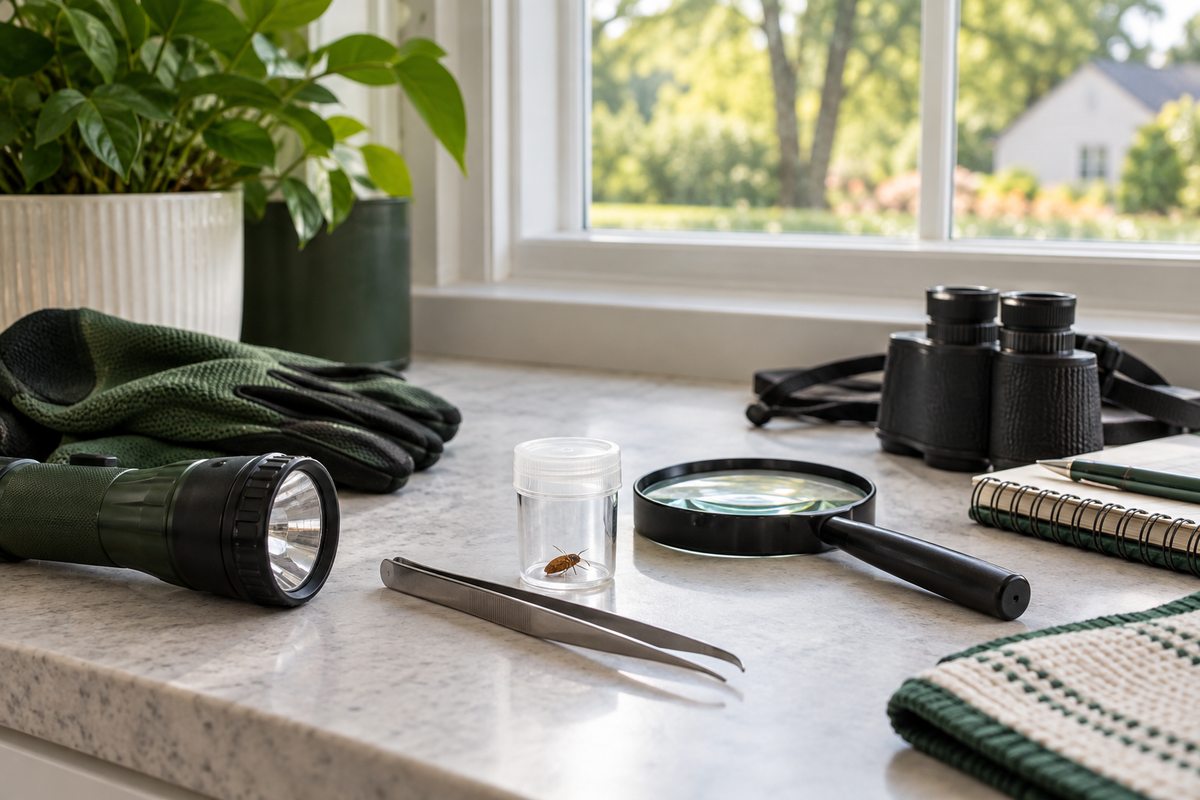
Illustrative service image.
Before the appointment: explain what you have seen
When arranging the visit, describe the pest or signs, the rooms affected and when activity began. Mention recent building work, leaks or previous treatments. If you have photographs taken safely, keep them ready.
Confirm whether the appointment is an inspection, treatment or both. Ask about arrival arrangements, access requirements and any inspection charge before booking. A free estimate does not necessarily mean every type of inspection or specialist assessment is free.
Prepare useful access, not a spotless house
Make a safe path to the affected areas and accessible utility points. Keep keys or building access information ready. Ask before moving large items, emptying cupboards or removing stored materials; preparation depends on the work.
Avoid cleaning away all evidence before it is documented. Photograph signs you can see safely. Do not disturb droppings, a nest or damaged materials just to make the visit easier. Tell the provider where they are instead.
Plan for pets and household needs
Mention dogs, cats, birds, fish and other animals in advance, along with children’s play areas and any access concerns. Arrange a secure place for pets during the visit so doors can be used safely and the inspection is not interrupted.
If pesticide treatment is proposed, request the specific preparation and re-entry instructions. Bowls, bedding, toys and food surfaces may need attention depending on the application. Do not assume all products share the same waiting period, or that an odor tells you whether an area is ready to use.
What the inspection may involve
The provider should discuss the signs with you and inspect accessible places relevant to the pest. That may include doors, pipe openings, storage areas, damp spaces and the exterior foundation. Termites, rodents and outdoor insects call for different checks.
An ordinary visit cannot reveal every concealed space. Ask which areas could not be accessed and whether additional investigation is needed. Inspection tools and photographs support a finding, but opening walls or handling contamination may require separate work and agreement.
Review the findings before treatment
Ask what was identified, where activity appears to be occurring and which contributing conditions need attention. A useful proposal connects the recommended method to those findings.
Perimeter spraying is one possible method, not a required step for every pest. Baits, traps, monitoring, repairs or changes to food and moisture sources may be relevant instead. Request the areas included, product information where applicable, preparation, cost and follow-up terms before agreeing.
Leave with clear instructions
After any treatment, keep the written instructions somewhere easy to find. Confirm when each area may be used, what cleaning is appropriate and what you should monitor. Ask who to contact about continuing activity rather than applying another product on your own.
A follow-up plan should say what will be checked and when. Do not judge every treatment by whether all sightings stop the same afternoon; expectations depend on the pest and method. Ask for those expectations in plain language.
A short checklist for your first visit
Have these details ready: the affected areas, dates of sightings, previous products, relevant repair history, pets and household access needs. Confirm the appointment scope and keep any proposal or instructions provided.
For your first pest-control enquiry in Gaithersburg, start with a call. Describe what you have noticed and ask what the visit would involve. You can make an informed decision once the scope, precautions and next steps are clear.
Your next steps
- Confirm whether the visit covers inspection, treatment or both.
- Prepare safe access and keep relevant records ready.
- Tell the provider about pets and household needs.
- Review methods, included areas and costs before agreeing.
- Keep written preparation, re-entry and follow-up instructions.