Why Gaithersburg’s Tree-Lined Neighborhoods Draw More Rodents in the Fall
A scratching sound in the basement can be easy to dismiss. Then you notice a torn food bag or small droppings behind a storage box. Fall is a useful time to check your home before a small rodent problem becomes a regular visitor.
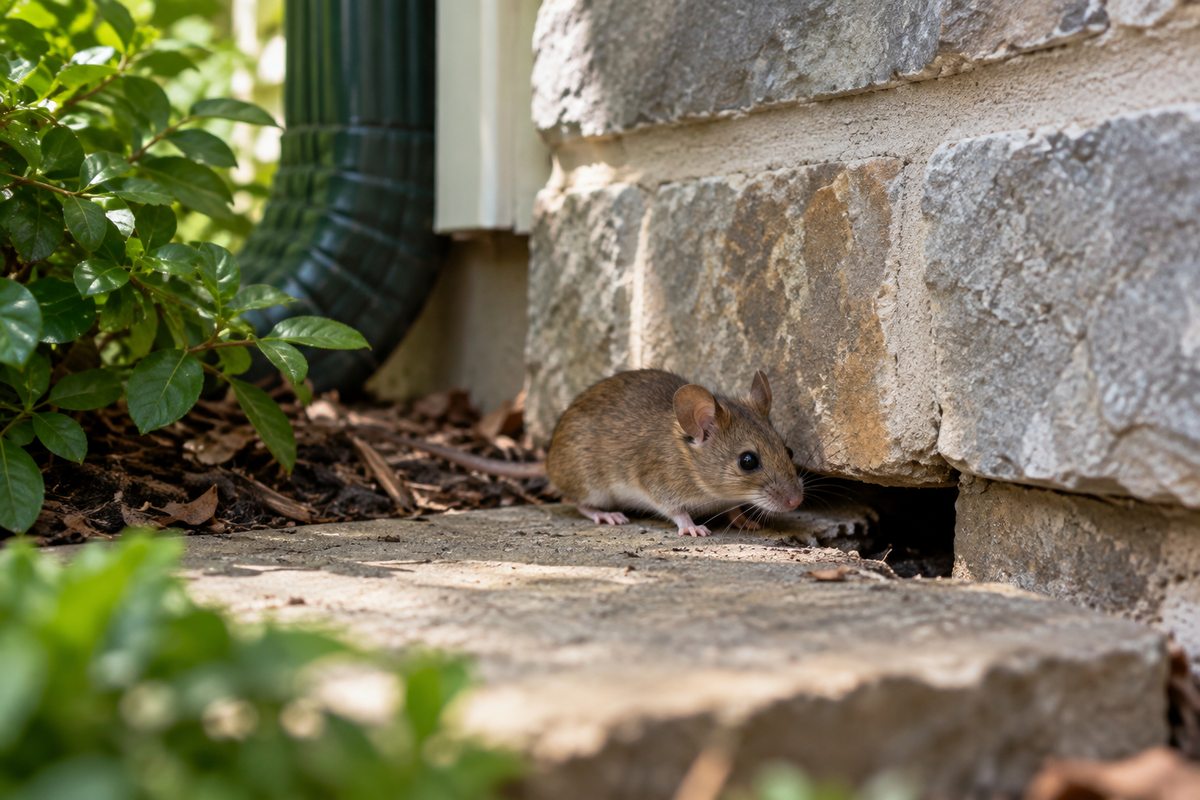
Illustrative service image.
Trees are part of the setting, not the whole problem
Lakelands, Quince Orchard and homes near local parks offer the kind of outdoor setting many people enjoy: gardens, trees and planted borders. Those features can also provide cover and food for wildlife. That does not mean every tree-lined street has a rodent problem, or that removing healthy trees is the answer.
Look at the space between the garden and the house. Dense planting against a wall, stored bird seed, fallen fruit and an open trash lid can make a property more useful to rodents. A small opening into a warm building adds shelter. It is that combination, rather than a neighborhood name, that deserves attention.
What changes when the weather cools
Mice and rats need food and shelter throughout the year. Cooler weather can make protected indoor spaces attractive. Falling leaves may also hide openings along the base of the building. A gap that was easy to see in summer can disappear behind a pile beside the steps.
Do not wait for an exact first-freeze date. Start while there is enough daylight and comfortable weather to inspect from ground level. Check again after garden cleanup or building work, since moved items and new pipe openings can change access.
Early signs in a basement
Look for fresh droppings, chewed packaging, disturbed stored materials or repeated scratching. Write down the room and time you notice activity. A noise alone does not identify a mouse: pipes, birds and other animals can also make sounds.
Use a flashlight to look around accessible corners without moving suspect waste. Do not sweep or vacuum rodent droppings. Keep children and pets away and follow current CDC cleanup guidance, or ask for suitable professional help. Heavy contamination and tight crawlspaces need a different approach from an ordinary household tidy-up.
Walk the foundation before winter
Check where pipes and cables enter, beneath exterior doors, around garage-door edges and beside basement windows. Mice can enter very small openings; CDC uses a quarter-inch hole as a practical warning size. Photograph gaps and note nearby signs rather than assuming every opening is active.
A lasting repair needs materials suited to the building and the opening. Loose filler or ordinary foam alone can be a weak barrier. Do not block ventilation, drainage or equipment clearances. Electrical penetrations, damaged masonry and awkward access may need a qualified repair trade.
If rodents are already inside, plan control and exclusion together. Sealing random holes without understanding activity can leave the indoor problem unresolved. Ask which openings will be repaired, how activity will be monitored and whether cleanup is a separate service.
Make the yard less inviting
Keep food and seed in sturdy closed containers. Close trash lids, clear fallen fruit and bring pet food indoors after feeding. Move stored items away from the wall where practical so you can inspect behind them.
Leaf cleanup is useful because it exposes the foundation and improves access; it is not a guarantee against mice. Focus on food, shelter and entry points together. A tidy lawn cannot compensate for a gap beneath a door.
When it is time to call
Repeated sightings, fresh droppings after cleanup or activity in more than one room are reasons to arrange an assessment. Tell the provider about pets, past products and any gaps you have found.
For rodent control in Gaithersburg, call with the affected room and what you have noticed. Ask for a clear plan covering current activity, entry repairs and follow-up. The aim is to understand why the rodents can get in, not simply respond to the latest sighting.
Your next steps
- Record the room and date of fresh signs.
- Check accessible doors, pipe openings and foundation gaps.
- Store food and seed in closed containers.
- Keep people and pets away from suspect waste.
- Plan active rodent control and entry repairs together.