DIY Pest Control vs. Professional Extermination: Is Saving a Few Bucks Costing You More?
A cheap product is only cheap if it helps with the problem you actually have. Buying another spray every weekend can feel like progress while the same insects keep returning. But professional service is not automatically the right answer to every isolated sighting either.

Illustrative service image.
Some problems start with a simple fix
An open food container, a leaking pipe or a gap beneath a door may be part of the reason pests appear. Cleaning food spills, fixing moisture and improving storage are useful whether you use a product or hire a provider. Begin with the cause you can safely identify.
One insect is not always an established infestation. Note what you see, where it appears and whether activity repeats. Clear identification helps you avoid spending money on a product intended for a different pest.
Why the same product keeps disappointing you
A spray may kill exposed insects while leaving a concealed nest or breeding source untouched. Bait may be poorly placed, unsuitable for the species or affected by nearby sprays. The failure is not always a weak product; it can be a mismatch between the method and the problem.
It is also too broad to say every DIY product drives every colony deeper into walls. Species and products behave differently. Ask what the treatment is intended to reach and what signs would show it is working. Do not add more products simply because activity has not stopped immediately.
Bug bombs are not a shortcut
Total-release foggers put pesticide into the room, but they do not replace identification, prevention or a plan for hidden activity. EPA warns about fire and exposure risks when these products are misused. They are not a suitable universal answer to a household infestation.
Never use extra foggers to make the effect stronger, combine products or ignore ignition-source and evacuation instructions. Read the full label before purchase. If you cannot meet its conditions, do not use the product.
Compare total spending, not just the first price
Write down the products already bought, repeat purchases, time spent and repairs still needed. Then compare that with the proposed professional scope. Keep the comparison honest: a larger upfront fee does not prove better value, and a lower product price does not prove savings.
A useful quote separates assessment, treatment, exclusion, follow-up and related repairs. Ask whether the named pest is included and what happens if activity continues. Costs depend on the property and work; no reliable local total can be promised without those details.
What professional assessment can add
The value is in identifying the pest, locating relevant activity and choosing a method suited to the site. Monitoring and follow-up can also make it easier to judge progress rather than keep switching products.
Ask for the method and product information, household preparation, limitations and any written terms. Check the provider’s relevant credentials rather than treating a uniform or branded vehicle as proof. A good explanation should leave you understanding what the proposed work will address.
When to stop experimenting
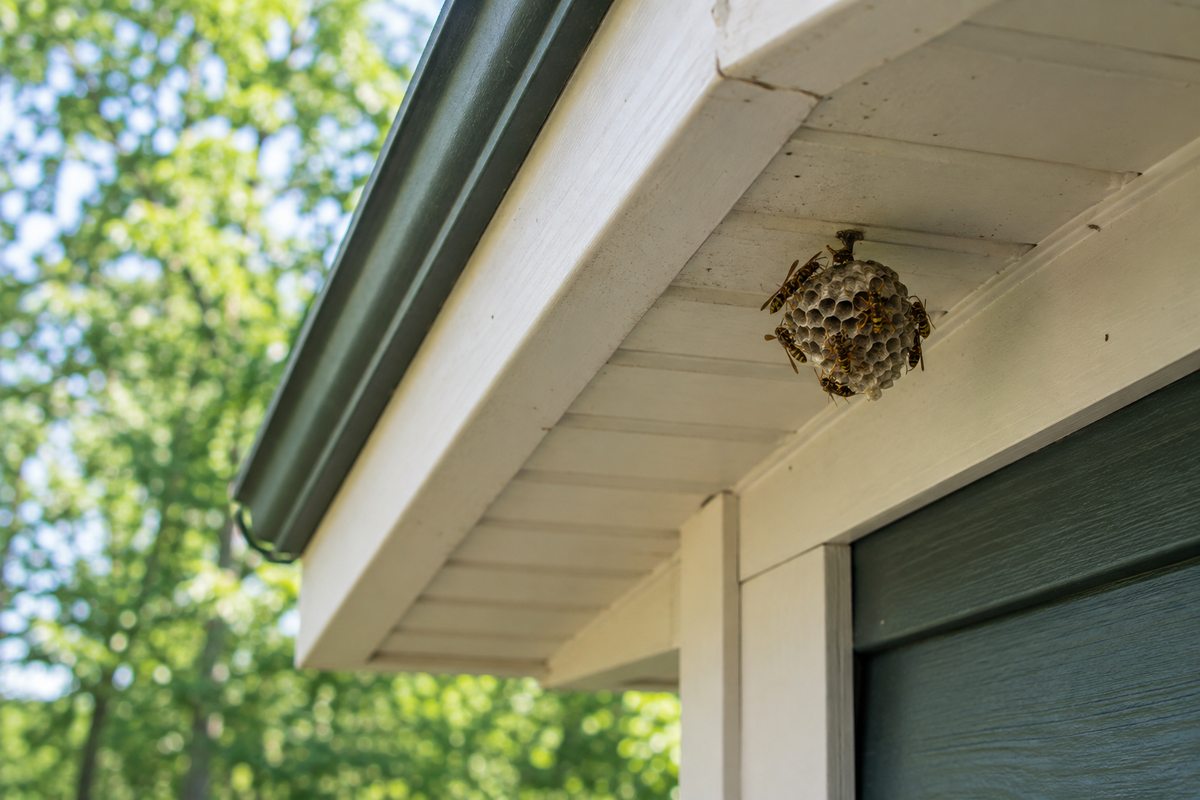
Repeated activity, suspected wood damage, stinging nests beside entrances and rodents in concealed spaces are sensible reasons to seek an assessment. Pets, children, difficult access and uncertainty about identification also affect what is practical.
Bring your list of previous products to the conversation. Tell the provider when and where you used them so the next plan accounts for that history. For a Gaithersburg pest concern, call to discuss the signs and scope before spending on another guess.
Your next steps
- Identify the pest before choosing a product.
- Record previous products and repeat spending.
- Read the full label and avoid mixing products.
- Compare written scope, not only the first price.
- Seek assessment for repeated or hard-to-access activity.